
Single-Ply Membrane Roofing Systems
Protech Roofing Solutions installs Conklin’s high-performance single-ply membrane systems to deliver durable, energy-efficient protection for commercial roofs. These flexible membranes provide superior waterproofing, chemical resistance, and reflectivity that are built to perform in all seasons.
Seamless Performance with Long Term Protection
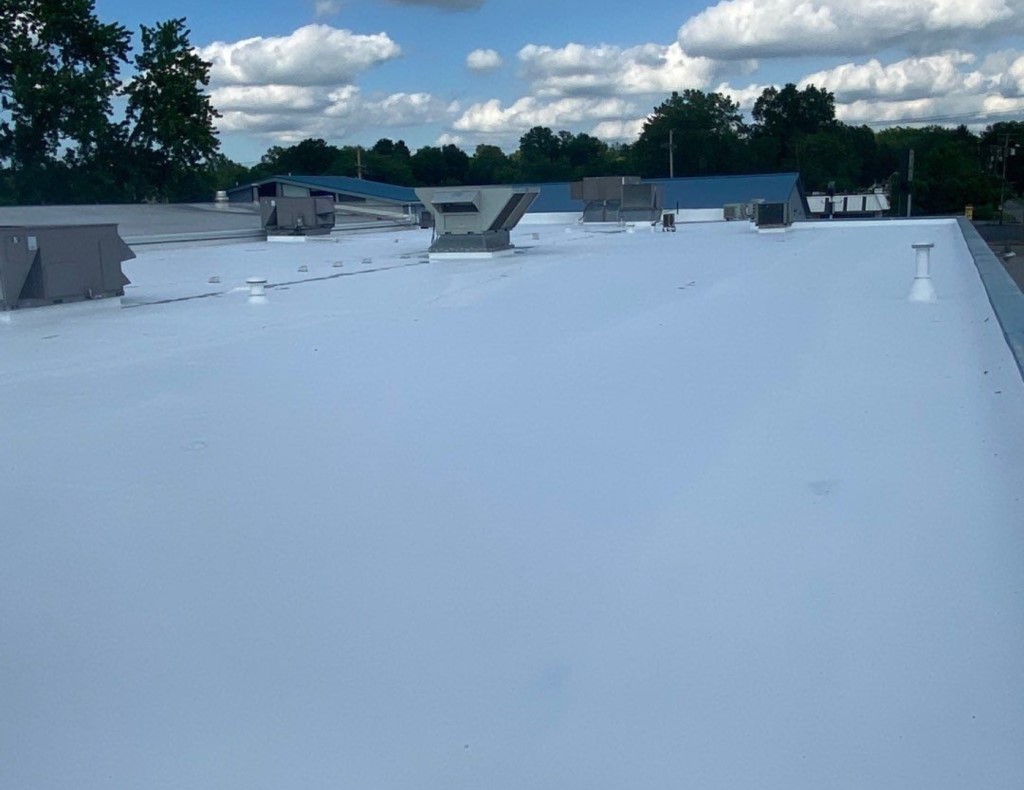
Conklin’s Single-Ply Membrane Roofing System offers exceptional strength, leak resistance, and energy-saving performance. These flexible membranes are designed to stand up to UV rays, wind, hail, and chemical exposure. At Protech Roofing Solutions, we install single-ply systems that create a clean, seamless finish for flat or low-slope commercial roofs. This solution is ideal for facility owners seeking long-lasting protection with minimal upkeep. When properly installed, these systems can last for decades while reducing utility costs and improving building performance.
- Strong resistance to wind, hail, and chemicals
- Reflects up to 84 percent of sunlight to reduce cooling costs
- Backed by up to a 25-year non-prorated material warranty
Why Single-Ply Roofing Pays Off
This system delivers an impressive return on investment through reduced energy consumption and low maintenance costs. The bright white surface reflects solar heat, helping lower interior temperatures by as much as 30 percent in the summer months. Since the surface resists dirt and discoloration, it maintains its efficiency over time with only periodic cleaning. For many building owners, this system pays for itself within the warranty period — making it one of the smartest long term investments in commercial roofing.
Recommended for a Wide Range of Roof Decks
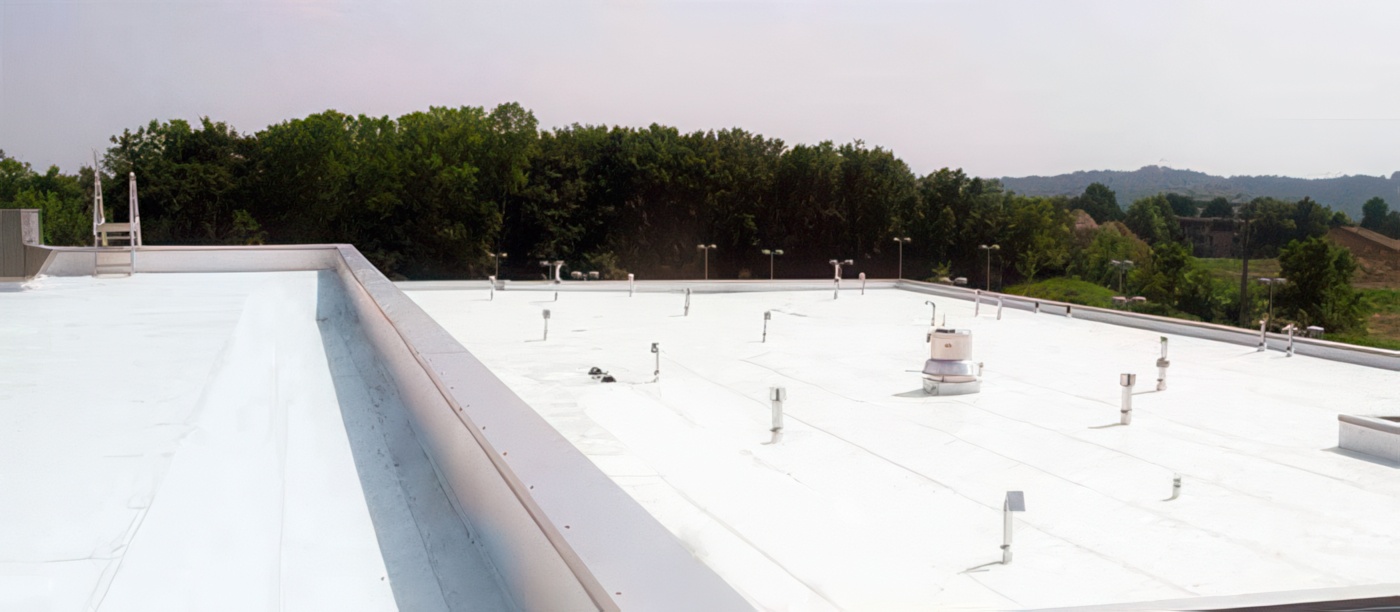
Single-ply membranes are designed for versatility and can be applied over a variety of commercial roof substrates. Whether your deck is made of concrete, wood, or steel, this system can be installed to create a watertight and energy-efficient surface. Protech Roofing Solutions evaluates your structure and installs the membrane system that best matches your building’s needs. Our solutions are tailored for both new construction and retrofit applications. If your building needs durability and energy savings, single-ply delivers on both.
Step by Step System Application
1. Prep and Board Stock Installation
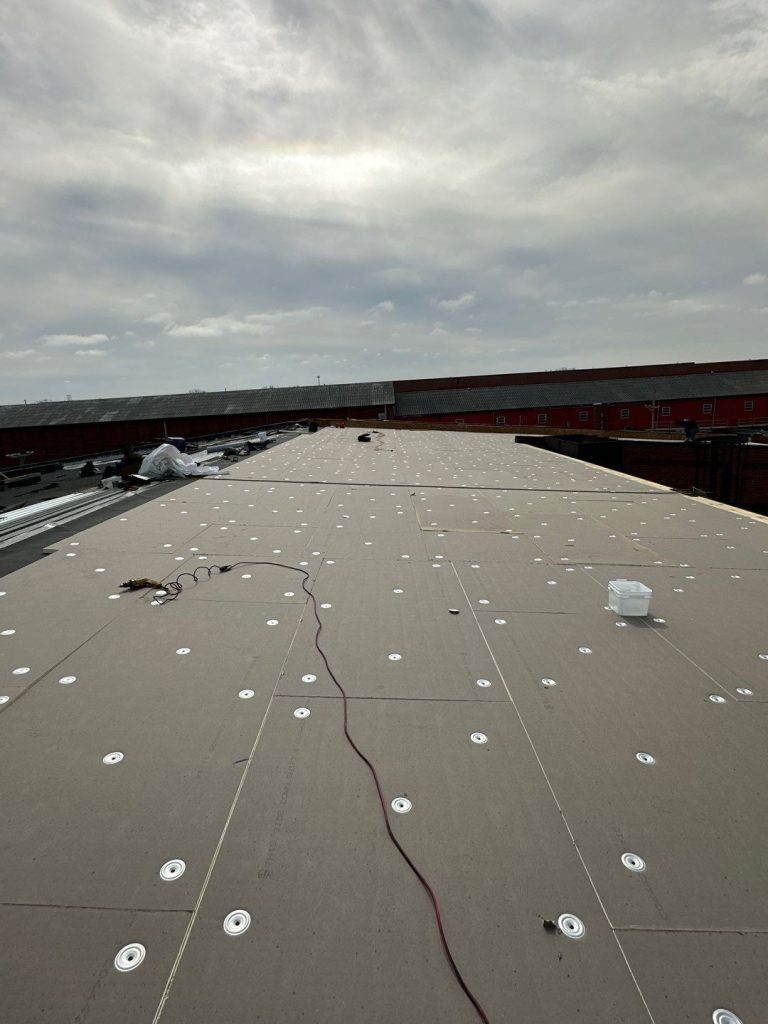
We begin by removing loose debris and preparing the surface. Board stock insulation is then installed to provide a smooth and energy-efficient base for the membrane.
2. Membrane Installation
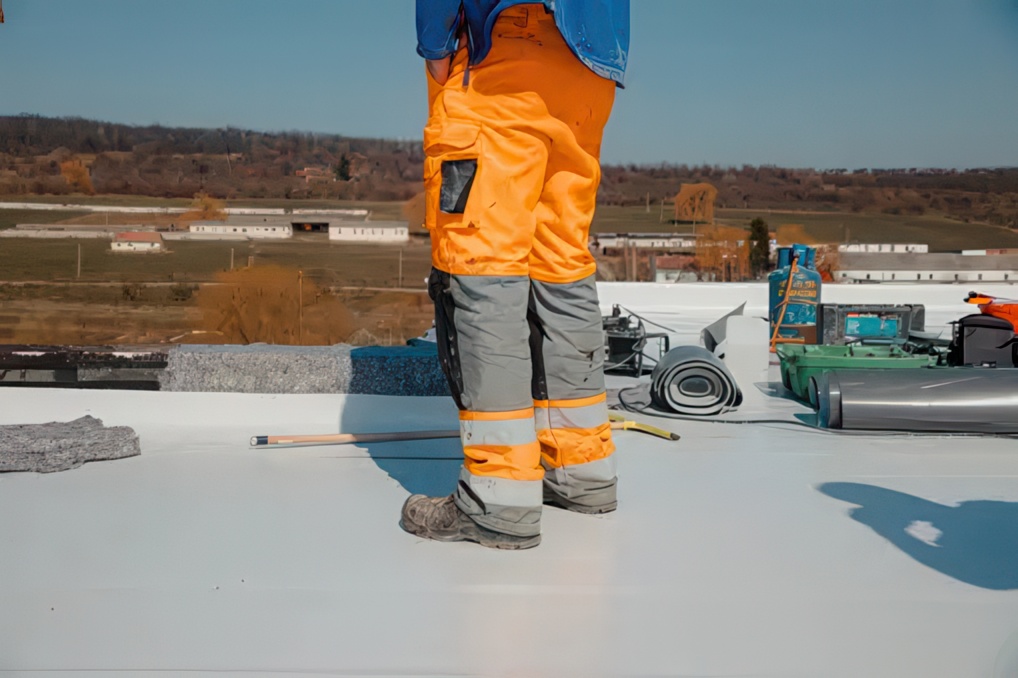
The single-ply membrane is rolled out and applied, with seams overlapped in the direction of water flow to promote proper drainage and prevent leaks.
3. Seam Welding
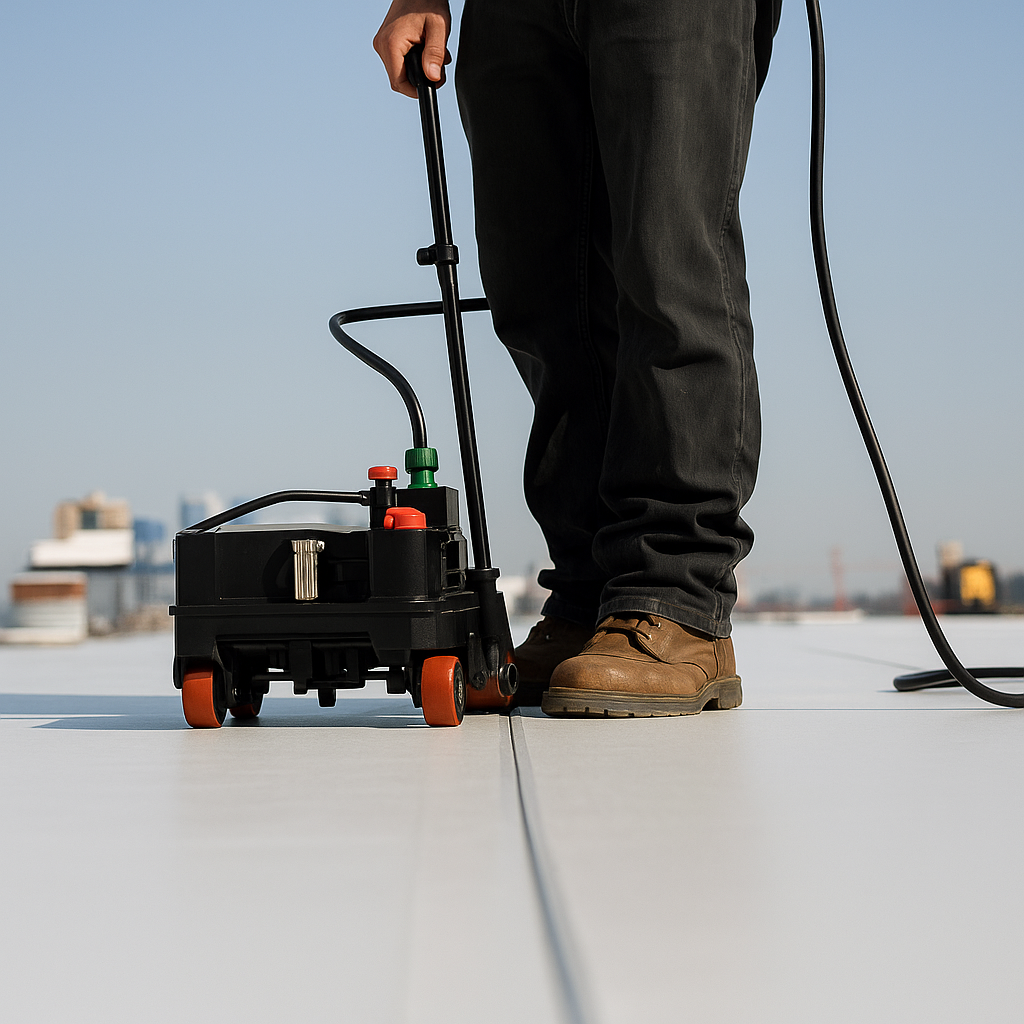
All membrane seams are welded by hand or with a robotic welder to create a watertight seal and form a continuous barrier across the entire surface.
4. Edge Sealing

Free edges are sealed using urethane sealant to protect vulnerable transition areas and complete the system’s integrity.
Our Simple 4-Step Process
Roof Evaluation and Design
We inspect your existing roof and recommend the best system configuration based on your building type, deck material, and long-term performance needs.
Material Selection and Planning
Once approved, we select the appropriate single-ply membrane and prepare a project timeline that minimizes business disruption.
Installation and Welding
Our trained crew installs the insulation, lays down the membrane, and completes all seam welding to form a clean, waterproof surface.
Final Inspection and Warranty
After installation, we perform a final inspection, review the project with you, and provide warranty documentation and ongoing maintenance guidance.
Answers To Common Questions
Single-ply membrane systems offer a clean, energy-efficient, and cost-effective solution for commercial flat roofs. At Protech Roofing Solutions, we specialize in installing Conklin’s white membrane systems that resist UV damage, lower energy costs, and perform well in all climates. With professional installation and regular cleaning, these systems can provide decades of leak-free service. They also come with strong warranties and future recoat options to extend their lifespan. Below are answers to a few common questions from business owners and facility managers across Western Pennsylvania and Eastern Ohio.
What makes single-ply membranes better than traditional roofing?
Single-ply systems are lightweight, flexible, and highly reflective, making them a great choice for flat commercial roofs. They form a seamless waterproof surface and are easier to maintain than multi-layer or built-up roofs. With proper installation, they resist leaks, UV exposure, and chemical damage. The result is a cleaner, cooler, and more durable roof. These systems are trusted by businesses nationwide for their long-term performance.
Can single-ply be installed over my existing roof?
In many cases, yes. If your current roof is in good structural condition, a single-ply system can be installed over it without a tear-off. We perform a detailed inspection to confirm eligibility before starting. This can help reduce costs, avoid landfill waste, and shorten the overall timeline of the project. If a full replacement is needed, we will walk you through that option as well. Either way, we provide the best long-term solution for your building.
How long does a single-ply roof last?
With proper installation and maintenance, a single-ply roof can last 20 to 25 years or more. The Conklin systems we install include non-prorated warranties of up to 25 years. Periodic cleaning and seam checks help extend the system’s life even further. After the initial term, many clients choose to recoat the system rather than replace it. This creates a sustainable cycle of performance and savings.
Will a single-ply roof reduce my energy bills?
Yes. Conklin’s white single-ply membranes reflect 84 percent of the sun’s heat, reducing rooftop temperatures and lowering indoor cooling costs. Many building owners report up to 30 percent savings on air conditioning during peak months. Over time, those savings can help recover much of the cost of installation. Energy efficiency is a major advantage of this system, especially in warmer climates or large warehouse-style buildings.